




AI for Good 2026: AI Solutions to Global Problems
Automatically translated
 Admin
As we arrive in 2026, artificial intelligence has moved to the center of the agenda, not only for its commercial productivity gains but also for its potential to heal humanity's deepest wounds. The International Telecommunication Union (ITU) is organizing the AI for Good 2026 summit together with more than 50 sister United Nations agencies, hosted by the Swiss Government. It is the largest global platform showing how technology can be combined with human values.

This large-scale movement, set to gather in Geneva in July 2026, aims to put the potential of artificial intelligence to use in the service of "serving humanity." Social responsibility projects using AI, spanning from the climate crisis to health, food security and digital equity, show that technology can be more than just a stack of code and can become a global movement for good.
How Is the AI for Good 2026 Initiative Affecting Global Sustainability?
Global sustainability is now measured not only by statements of intent but by concrete, data-driven actions. The AI for Good 2026 initiative positions artificial intelligence as a catalyst for reaching the United Nations Sustainable Development Goals (SDGs). Led by the ITU, this process focuses on developing AI standards to create innovation and digital transformation opportunities around the world.
AI solutions for sustainability help reduce carbon footprints in every field, from optimizing energy grids to smart agriculture. The Geneva summit brings stakeholders together to build a collective intelligence aimed not at holding back AI's potential to solve global challenges, but at steering it in the right direction. In this way, the balance between economic growth and environmental protection can be achieved through precise measurements made by autonomous systems.
What Is the Role of AI in the Climate Crisis and Healthcare?

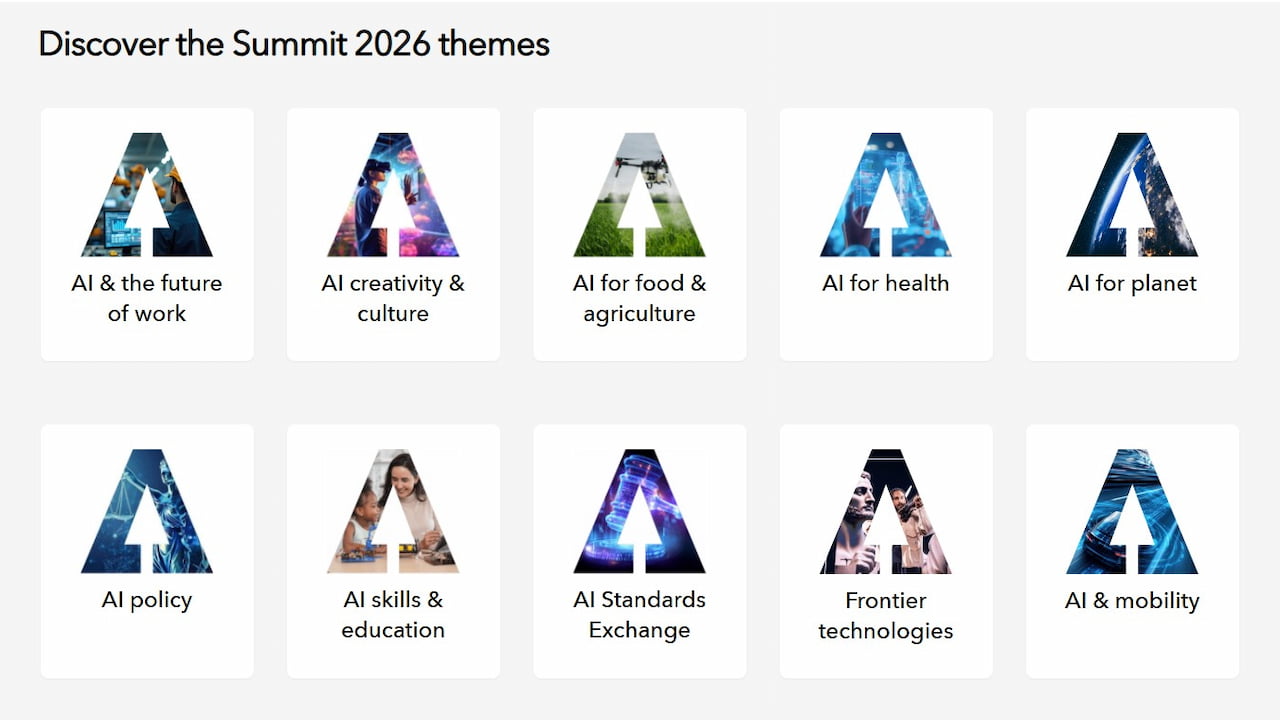
AI and climate crisis management stand out as the two most critical topics of the 2026 summit. Under the "AI for Planet" theme, more than 100 advanced technology demonstrations are being held across a broad range, from ocean cleanup to deforestation monitoring. AI simulates climate models in seconds, enabling the prediction of natural disasters in advance and the optimization of humanitarian operations based on this data.
On the health side, the "AI for Health" vision is democratizing diagnostic processes. AI-based diagnostic tools that make access to basic health services easier, especially in low-income regions, are among the most concrete examples of using AI for digital equity. As experts such as Doreen Bogdan-Martin and Joëlle Barral have emphasized, AI in healthcare does not exist to replace a doctor, but to serve as a bridge that lets every patient be reached.
2026 Summit: Thematic Focus Areas
Themes | Impact Area | Main Goal |
AI for Planet | Climate and Environment | Carbon neutrality targets and biodiversity protection. |
AI for Health | Health Technologies | Access to universal health services and early diagnosis. |
Robotics for Good | Humanitarian Aid | Autonomous search and rescue operations in disaster zones. |
AI for Food | Agriculture and Food | Sustainable agriculture and the fight against global hunger. |
Quantum for Good | Advanced Computing | Solving complex global problems at quantum speed. |
How Are Ethical AI and Digital Equity Being Ensured in 2026?
The spread of AI brings with it the questions of "for whom" and "how." Ethical AI standards in 2026 have become a global governance requirement rather than a mere recommendation. The "Global Dialogue on AI Governance", held on the sidelines of the Geneva summit, brings governments and technology giants to the same table to make AI inclusive and trustworthy.
Digital equity through AI means not only offering the technology but also equipping people with the skills to use it. More than 60 international youth teams from 50 countries are sharing the tools and knowledge needed to thrive in the AI era, preparing the next wave of innovation. These standards, set up to prevent the digital divide from deepening, ensure that AI becomes the shared heritage of all humanity, not only of advanced economies.
How Can AI Be Used to Optimize Humanitarian Operations?
In humanitarian work, speed saves lives. The autonomous systems and "Robotics for Good" projects showcased at the 2026 summit can optimize logistics planning in conflict or natural disaster zones within seconds. AI infrastructure works as a "silent operator" in many critical tasks, from determining the safest routes for aid trucks to managing resource distribution fairly in refugee camps.
Behind this optimization are not only algorithms but also an ethical compass. As emphasized in the discussions of visionaries such as Marc Benioff and Ray Kurzweil, using AI in humanitarian aid is not about handing empathy over to a machine, but a tool for extending human empathy to wider audiences. Infrastructure investments and data sharing protocols create a "rapid response ecosystem" where seconds matter in moments of crisis.
What Are the Sustainable Development Goals and AI Integration Standards?
Integrating AI to reach the Sustainable Development Goals (SDGs) is being carried out in 2026 through the "AI Standards Exchange" platform. This platform aims to build a common language and security protocol across all AI application areas, from agriculture to transportation and from education to culture. Standards and policy sessions open the way for innovation while also ensuring that risks are managed.

The leading integration standards are:
Transparency: AI decisions should be explainable.
Accountability: A governance structure should be established that is responsible for the actions of autonomous systems.
Inclusiveness: The voices of local communities and representatives such as Puyr Tembé should be included in technology development processes.
Reliability: Data privacy and cybersecurity measures should be maintained at the highest level.
Building a Human-Centered Future
The AI for Good 2026 movement succeeds in combining the cold face of technology with human warmth. Every step taken in Geneva shows that AI is not merely a productivity tool, but one of the most powerful instruments we have for making the world more livable. The future is being shaped by those who turn technology into a global current of good rather than by those who fear it.
AdminGoogle Cloud Next '26: AI Ajanları ve Tüm Yenilikler

Teknoloji ve Kariyer Staj İlanları | 4 - 10 Mayıs 2026


