



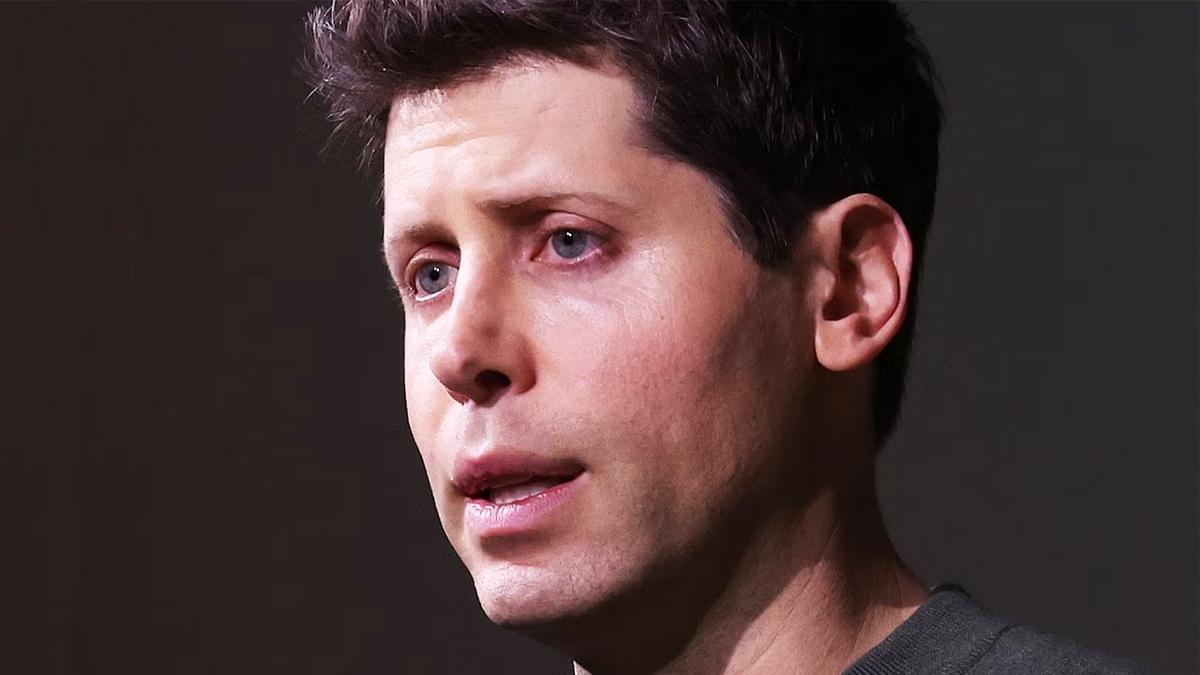
Attack on Sam Altman: Fear of AI Takes to the Streets
Automatically translated
The attempted attack targeting Sam Altman has made the social tension building around artificial intelligence visible. The incident, which came to light with claims of an OpenAI attack, moved the debate over AI risks out of theory and into the real world.
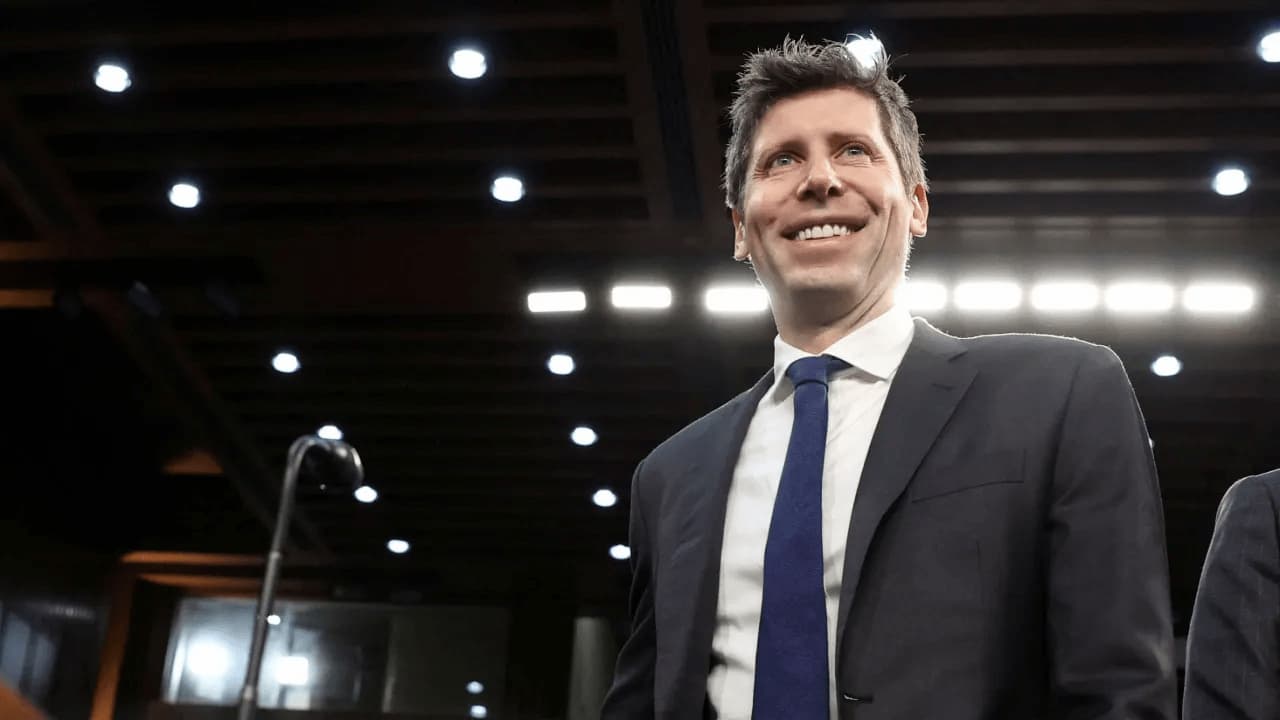
Attack on Sam Altman: Fear of AI Takes to the Streets
The attempted attack, which took place in San Francisco and directly targeted OpenAI CEO Sam Altman, has been recorded as a new turning point in the technology world. In the incident, reported to have occurred in the Russian Hill neighborhood, a Molotov cocktail was reportedly thrown at the residence where Altman was staying. According to reports, the attack was limited to physical damage, but its psychological and symbolic impact spread far wider.
This development was not seen as an ordinary security breach, but as a critical threshold showing how anti-AI rhetoric can turn into concrete action. The incident, discussed under the OpenAI attack headline, showed that technology leaders have become direct physical targets, not just economic ones.
Anatomy of the Attack: A Planned Message?
According to information reported by local sources, the attack took place at night, and security teams were quickly dispatched to the scene. It was reported that the exterior of the targeted structure was damaged, but the fire was brought under control.
It is stated that evidence collected at the scene is being examined and the investigation is being conducted from multiple angles. Early assessments suggest the attack was not random and may have been intended to convey a specific message.

No clear statement has been made about the identity of the perpetrator or perpetrators, but the possibility that the attack had an ideological motive has emerged as a strong scenario. This suggests that the social tension shaped around AI risks has moved to a new level.
The OpenAI Attack and the Collapse of the Security Paradigm
The global impact surrounding OpenAI has placed the company not only at the center of technological innovation but also at the center of the debate. The incident, referred to as the OpenAI attack, has made it necessary to redefine how technology companies think about security.
As artificial intelligence has spread into areas ranging from production processes to the media ecosystem, the actors developing this technology have become direct targets. Particularly with the spread of generative AI systems, the public perception of loss of control has paved the way for harsher reactions.

It is noted that a new risk structure is emerging in which physical security risks and digital threats are intertwined, and that this requires a different security approach from technology companies.
What Is PauseAI? The Line from Rhetoric to Action
After the attack, attention turned to anti-AI movements. PauseAI, in particular, has recently emerged as one of the most visible groups.
PauseAI is described as a movement that advocates temporarily halting the development of advanced AI systems. The movement's core argument is that the current pace of development could create risks that humanity cannot manage.
Although no direct link has been established between this movement and the attack, it is considered that the rhetorical climate created by such movements may influence radical individuals. Hardening rhetoric is seen as a factor that can pave the way for more radical forms of action.
AI Risks: From Abstract Debate to Concrete Crisis
AI risks have long been discussed in academic literature and technology circles. However, the attack on Sam Altman has moved this debate from the theoretical realm into physical reality.

The main risk areas that stand out are:
Workforce transformation and mass job loss
The spread of data security and surveillance technologies
Blurring control boundaries of autonomous systems
AI-driven disinformation and manipulation
The perception these risks create in society is not uniform. Fear of AI appears to take harsher and more reactive forms, particularly among groups with high economic vulnerability.
Incidents like this attack are being read as an uncontrolled expression of that fear.
Technology Leaders Are Now Targets
Leading figures in the technology world have increasingly become direct targets in recent years. Threats against figures such as Elon Musk and Mark Zuckerberg are known; however, the attack on Sam Altman shows that this process has reached a more advanced stage.
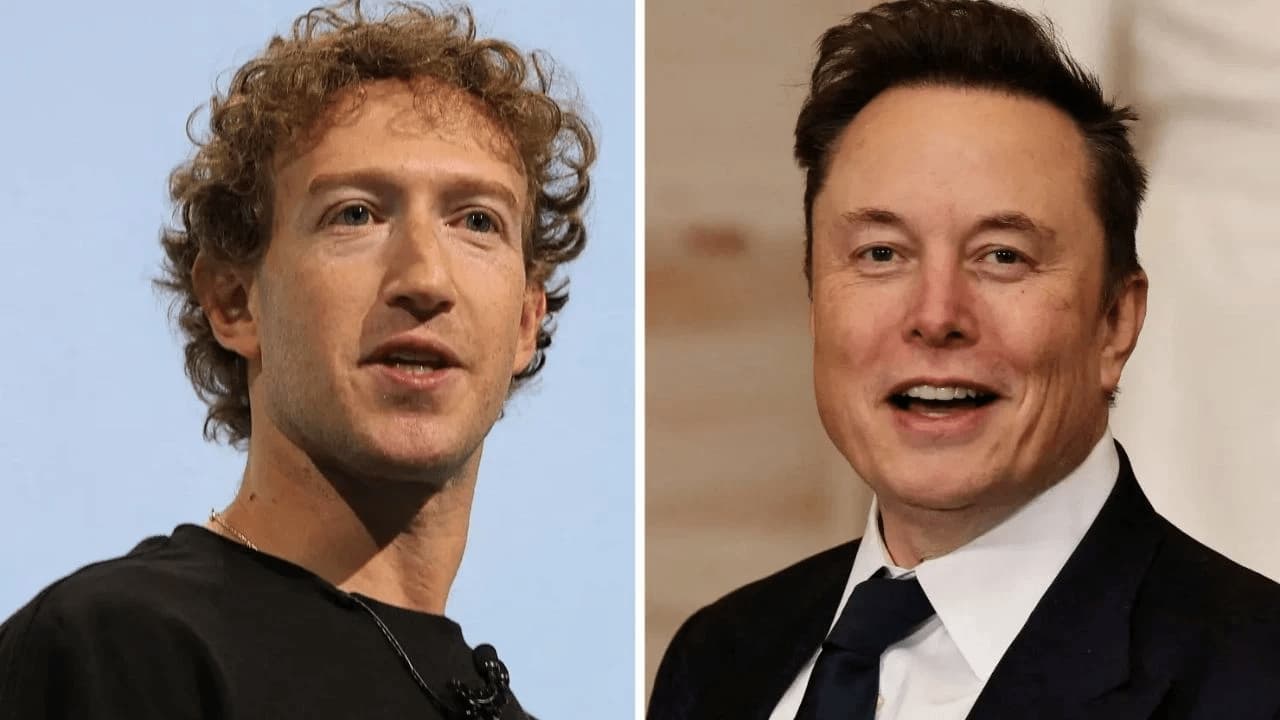
This development shows that technology leaders have become not only innovators but also symbolic representatives of social tensions.
Media, Perception, and the Construction of Fear
The media continues to play a decisive role in shaping public perception of AI. In particular, the prevalence of dystopian narratives is strengthening irrational fears among the public.
The phrase "AI out of control" reaches wide audiences through popular culture, and its effect on the real world is becoming increasingly visible.
Global Repercussions: Pressure for Regulation Grows
The attack on Sam Altman resonated on a global scale. It has been reported that technology companies are reviewing their security protocols, and that calls to accelerate AI regulation in some countries are increasing.
In particular, stricter European-centered regulations and more oversight of AI development processes are expected.
This development shows that the AI race is becoming a political and social contest, not only a technological one.
Future Scenario: Control or Chaos?
Assessments continue that social tensions may rise in parallel with the development of AI technologies. It is stated that how this process is managed will be one of the key factors in determining whether similar incidents recur.
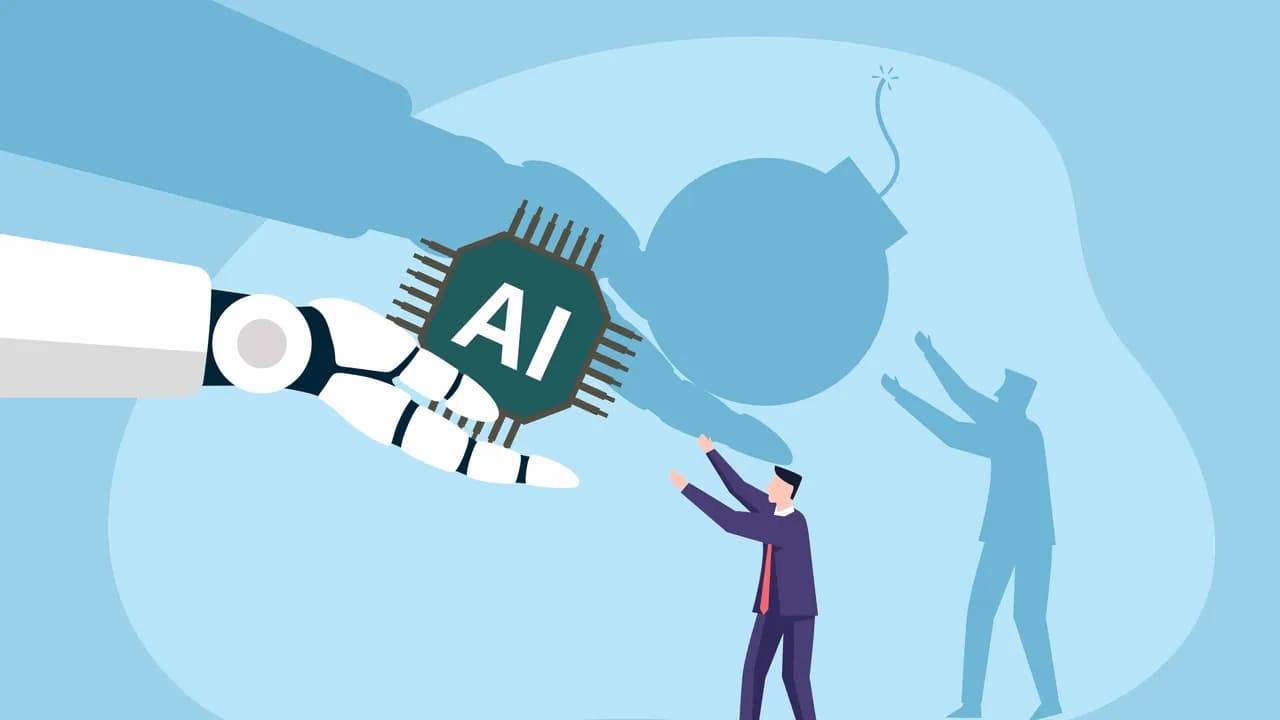
Critical areas highlighted:
Closing transparency gaps
Strengthening ethical frameworks
Keeping the public properly informed
If steps taken in these areas prove insufficient, anti-AI reactions may take harsher and more organized forms.
Nörobotlar: İlk Yaşayan Makineler Dönemi Başladı
Teknoloji ve Kariyer Staj İlanları | 20 Nisan - 26 Nisan 2026


